


EC Meter ~ Measure your electrical conductivity
If you are a hobby grower, you probably already know that crops need a constant supply of nutrients to develop properly. An essential parameter for plant health is the electrical conductivity of the soil or substrate in which they are growing. This is measured with an EC meter.
What is an EC meter?
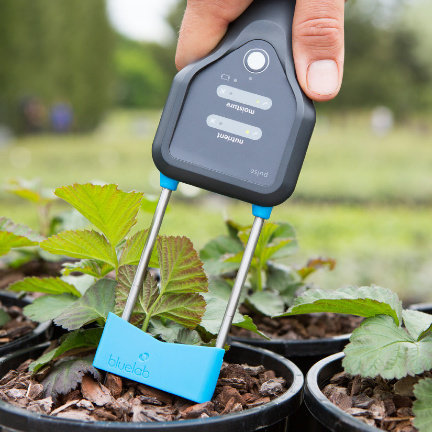
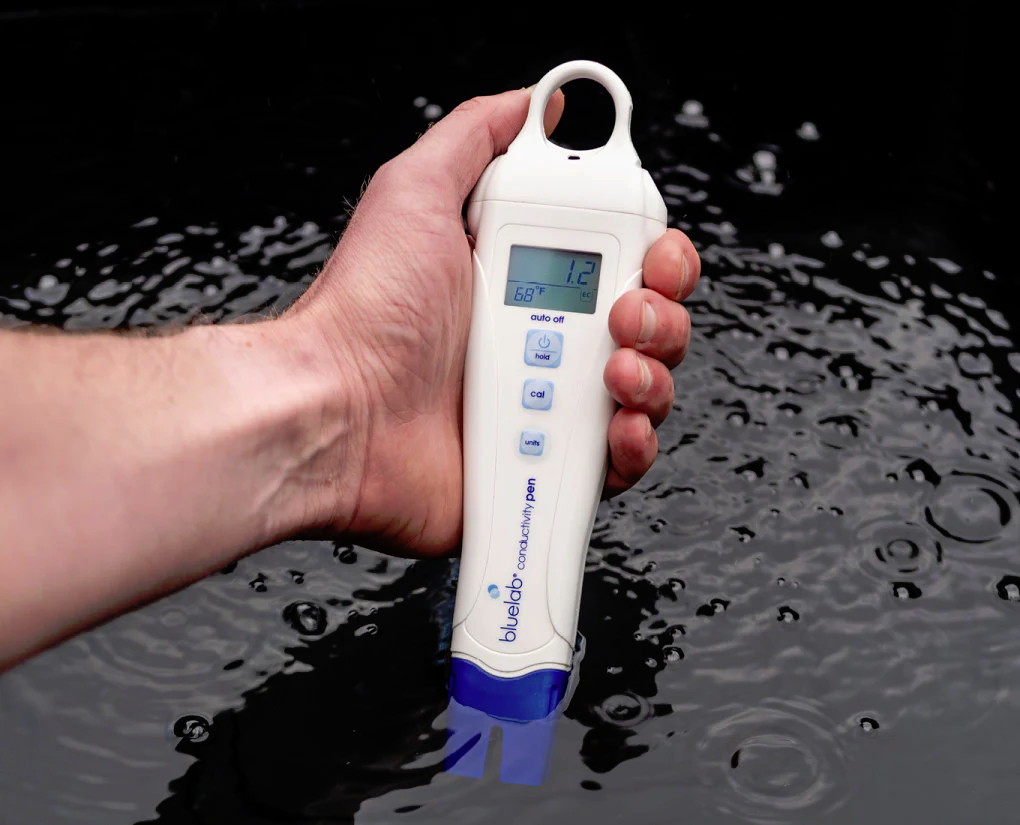
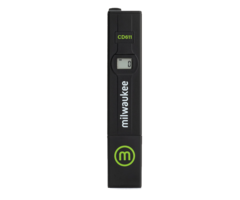
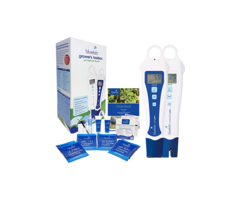
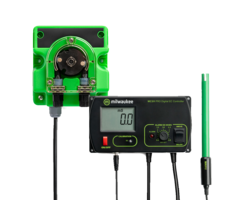
An EC meter is a measuring instrument that measures the electrical conductivity of a liquid or solid. In agriculture and horticulture, it is usually used to measure the conductivity of the substrate, or growing medium, an EC meter is also used when measuring nutrient solutions.
 |  |
Electric conductivity
EC stands for Electric Conductivity. In short, the EC value is the salinity in your substrate or nutrient water. Salinity is a good indicator of available nutrients. The EC value is important because it tells your plants the right amount of nutrients.
How does an EC meter work?
An EC meter works by means of electrodes that come into contact with the liquid or substrate being tested. The electrodes send a light current through the sample and measure its resistance. The higher the conductivity, the lower the resistance and vice versa.
Why is EC meter important?
Measuring the electrical conductivity of the soil or substrate with an EC meter can help you better understand the nutritional needs of your plants. Too low a conductivity can indicate a nutrient deficiency, while too high a conductivity can mean too many nutrients are present. By measuring EC levels regularly, you can adjust nutrients and ensure that your plants remain healthy and happy.
Conclusion
An EC meter is an indispensable measuring tool for any serious grower or hobby grower. By measuring the conductivity of the substrate, you can ensure that your plants are getting the right nutrients they need to thrive. It is important to remember that a proper EC value depends on the specific plant species and the growth stage they are in. Therefore, always consult an expert or search online for specific guidelines for your plants.
If you are a hobby grower, you probably already know that crops need a constant supply of nutrients to develop properly. An essential parameter for plant health is the electrical conductivity of the soil or substrate in which they are growing. This is measured with an EC meter.
What is an EC meter?
An EC meter is a measuring instrument that measures the electrical conductivity of a liquid or solid. In agriculture and horticulture, it is usually used to measure the conductivity of the substrate, or growing medium, an EC meter is also used when measuring nutrient solutions.
| |
Electric conductivity
EC stands for Electric Conductivity. In short, the EC value is the salinity in your substrate or nutrient water. Salinity is a good indicator of available nutrients. The EC value is important because it tells your plants the right amount of nutrients.
How does an EC meter work?
An EC meter works by means of electrodes that come into contact with the liquid or substrate being tested. The electrodes send a light current through the sample and measure its resistance. The higher the conductivity, the lower the resistance and vice versa.
Why is EC meter important?
Measuring the electrical conductivity of the soil or substrate with an EC meter can help you better understand the nutritional needs of your plants. Too low a conductivity can indicate a nutrient deficiency, while too high a conductivity can mean too many nutrients are present. By measuring EC levels regularly, you can adjust nutrients and ensure that your plants remain healthy and happy.
Conclusion
An EC meter is an indispensable measuring tool for any serious grower or hobby grower. By measuring the conductivity of the substrate, you can ensure that your plants are getting the right nutrients they need to thrive. It is important to remember that a proper EC value depends on the specific plant species and the growth stage they are in. Therefore, always consult an expert or search online for specific guidelines for your plants.
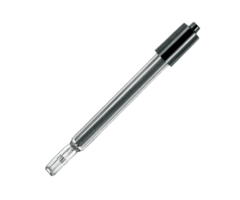
This conductivity probe comes with an electrode capable of constantly measuring EC values of your ...
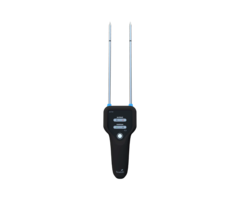
Measures: EC | Temperature | Moisture...
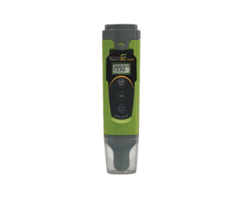
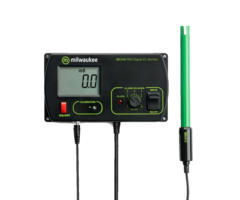
If you are a hobby grower, you probably already know that crops need a constant supply of nutrients to develop properly. An essential parameter for plant health is the electrical conductivity of the soil or substrate in which they are growing. This is measured with an EC meter.
What is an EC meter?
An EC meter is a measuring instrument that measures the electrical conductivity of a liquid or solid. In agriculture and horticulture, it is usually used to measure the conductivity of the substrate, or growing medium, an EC meter is also used when measuring nutrient solutions.
| |
Electric conductivity
EC stands for Electric Conductivity. In short, the EC value is the salinity in your substrate or nutrient water. Salinity is a good indicator of available nutrients. The EC value is important because it tells your plants the right amount of nutrients.
How does an EC meter work?
An EC meter works by means of electrodes that come into contact with the liquid or substrate being tested. The electrodes send a light current through the sample and measure its resistance. The higher the conductivity, the lower the resistance and vice versa.
Why is EC meter important?
Measuring the electrical conductivity of the soil or substrate with an EC meter can help you better understand the nutritional needs of your plants. Too low a conductivity can indicate a nutrient deficiency, while too high a conductivity can mean too many nutrients are present. By measuring EC levels regularly, you can adjust nutrients and ensure that your plants remain healthy and happy.
Conclusion
An EC meter is an indispensable measuring tool for any serious grower or hobby grower. By measuring the conductivity of the substrate, you can ensure that your plants are getting the right nutrients they need to thrive. It is important to remember that a proper EC value depends on the specific plant species and the growth stage they are in. Therefore, always consult an expert or search online for specific guidelines for your plants.